

They say your résumé looks fine. But if it’s stuck in one of these nine common traps, chances are, that’s a polite way of saying it’s not quite there yet. These traps are often resume mistakes; common errors that can undermine your chances of landing an interview. Resumes are more art than science, and anyone insisting there’s one right way to write a resume doesn’t tell the whole story. There’s a mountain of bad advice out there, and too many job seekers get buried under it. Always proofread your resume multiple times to catch typos and grammatical errors that may signal carelessness to recruiters.
If you want to know how to write a resume that actually gets you hired, you need to avoid these nine résumé traps. This guide will help you create a strong resume that stands out to hiring managers and prospective employers alike. Before you begin, carefully examine the job description to identify keywords that describe the skills the employer is looking for, and incorporate them strategically into your resume.

Introduction on How to Write a Resume
Your resume isn’t your first impression. That’s what everyone tells you. But in truth, your resume is your last chance to prove you’re worth five minutes of someone’s time. Most people treat it like a grocery list: job here, skill there, achievement somewhere else. Then they wonder why nobody calls. A resume isn’t a list; it’s a mirror. If you can’t look at it and feel pride, excitement, or that little voice saying “I’d hire me,” then why should they?
Here’s what separates people who get interviews from those who get ignored: they stop playing it safe. Forget the templates and the so-called “best practices” from outdated blogs. You don’t need to match keywords like you’re gaming Google. You need to show you’re the person who solves their problem. That takes guts, confidence, and clarity. Stop trying to be everything to everyone. Be exactly what they need. That’s how doors open.

1️⃣ Funky Fonts: What to Avoid When Learning How to Write a Resume
When it comes to fonts, clarity is king. Our eyes naturally move from big to small text and from dark to light. Use this to your advantage by making your name the biggest text on the page, followed by section headers, and then the content itself. Avoid mixing too many fonts or using ornate styles that distract from your message. Save your resume as a PDF to ensure consistent formatting that is readable by ATS.
A professional resume with clear typography guides the reader’s eye smoothly through your information. Above all, your goal is to make your resume easy to scan quickly so hiring managers can grasp your key qualifications without effort.
2️⃣ Columns: What Is This, Roman Times?
Columns might seem like a clever way to save space, but they often confuse readers. When your resume splits information between left and right, it forces the hiring manager to decide which side to focus on, disrupting their flow. This confusion can cost you the job.
When learning how to write a resume, it’s important to focus on clarity over design. While some templates use columns or creative layouts, a straightforward format is usually more effective. Instead, keep your resume clean by listing your information from top to bottom. A simple layout in reverse chronological order highlights your most recent job experience first.
The chronological format is generally preferred by employers because it’s easy to follow. Alternatively, the combination format balances skills and work history, making it versatile. There are three common formats – chronological, functional, and combination – each serving different needs depending on your career history and goals. Understanding these options helps you decide how to write a resume that presents your experience in the best possible light.
3️⃣ Understanding the Job Description
Before you write a single word, stop and read that job description like your life depends on it. Because your career does. That document isn’t just a list of requirements; it’s a map of what they value most. Most people skim it once and assume they understand it. They don’t. Read it three times. Print it out. Highlight the skills that show up again and again. Those aren’t suggestions – they’re marching orders. It also helps to check job descriptions for industry-specific terms to align better with employer expectations.
When you build that resume, don’t just sprinkle keywords like seasoning. Embed them like DNA. Each section, summary, skills, and experience – should speak their language. Not because you’re being fake, but because you’re being strategic. ATS systems scan for these terms before any human sees your resume. Around 75% of resumes get filtered out before reaching a hiring manager. Those that make it mirror the company’s own language. Hiring managers want people who solve their problems. Show them you’re that person and give them what they asked for.
4️⃣ Resume Summary: How to Write a Resume That Shows, Not Tells
Many job seekers include an executive summary or objective statement at the top of their resume, but this section often does more harm than good. It tends to “tell” rather than “show,” repeating generic phrases without providing evidence of your skills or achievements.
Hiring managers usually skip straight to your experience section. Focus on crafting strong bullet points under each job description that demonstrate your impact instead of relying on a vague summary.
5️⃣ Obsessing About the Applicant Tracking System (ATS)
Applicant Tracking Systems are real and important. They filter resumes based on keywords and formatting. However, ATS isn’t an all-powerful gatekeeper. Companies use these systems differently, and no software replaces human judgment.
When you write a resume, prioritize clarity and relevance. Use job ad keywords, but don’t overdo it. A compelling resume balances ATS optimization with readability.
6️⃣ Education and Skills
Your education and skills section is where you prove your value. When learning how to write a resume, this part helps you show employers what you bring to the table. I once saw a recent grad land a six-figure job with zero experience. How? She didn’t hide behind her lack of experience; she leveraged her learning instead. Each relevant course became proof of potential. Every project told a story, while every certification showed commitment. You’re not inexperienced; you’re eager. Show that drive and let it reflect in how you write a resume that feels confident and authentic.
If you already have experience, be selective. Nobody cares that you know seventeen software programs. They care about the three that solve their problems. I’ve seen seasoned pros lose offers because they buried their strengths in long lists. Highlight what matters most. Your skills aren’t a catalog; they’re tools. Use them wisely, and remember that mastering how to write a resume means focusing on quality, not quantity.
7️⃣ Missing Context
Every job entry on your resume should include the organization name, city, state, job title, and years worked. Consistency in formatting makes a huge difference when you’re figuring out how to write a resume that looks polished and professional. Also, place your contact details at the top so employers can easily reach you.
Avoid including months in your dates; years are enough. This small choice keeps your resume neat while giving employers a clear timeline of your career growth. Learning how to write a resume that maintains balance between clarity and simplicity will help you make a strong first impression.
8️⃣ Cutting “Old” Experience
Some advice suggests trimming your resume to the last 10–15 years. But if you have relevant experience from earlier that still defines your expertise, keep it. Those experiences might show growth or valuable industry insights, especially for senior positions. Knowing how to write a resume that highlights both recent and relevant history can make your background stand out in a competitive field.
9️⃣ Results + Action Bullets: The Secret to Writing a Resume That Gets Noticed
Each bullet point should lead with results, followed by the actions that achieved them. For example, replace “Led pricing strategy to increase revenue” with “Increased revenue by 32% by launching a new pricing model.” Using active verbs and measurable outcomes makes your resume dynamic and clear. Understanding how to write a resume that emphasizes achievements instead of duties turns ordinary job descriptions into powerful evidence of impact.
1️⃣0️⃣ Hiding Your Age
Removing graduation dates to hide your age can raise suspicion. Instead, show confidence in your experience. Include your highest degree, school, major, and graduation year if applicable. Authenticity builds trust and shows that you know how to write a resume with integrity and confidence.
1️⃣1️⃣ No Proof You’re Human
In the end, humans hire humans. Your resume should reflect both professionalism and personality. Include a professional email, showcase both hard and soft skills, and link to your online portfolio or LinkedIn profile if possible. Extracurricular activities can also highlight teamwork or leadership qualities. These touches reveal that you understand how to write a resume that feels both credible and human – the kind employers remember.
How to Write a Resume for Different Industries
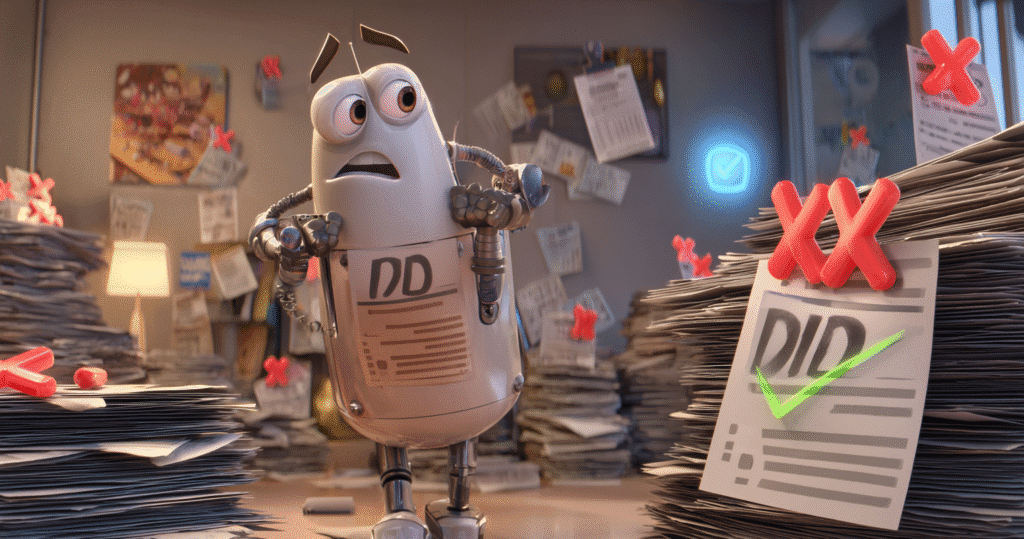
Not all resumes are created equal. Different industries speak different languages. For creative roles, visual presentation matters. For engineering or tech roles, technical detail wins.
Most people skip this research and send the same resume everywhere. Don’t be that person. Study examples in your field. Tailor your resume to match the expectations of your industry. A focused, well-organized resume that showcases your strengths is what gets noticed.
Cover Letter and Next Steps
Once your resume is ready, write a strong cover letter. It isn’t decoration – it’s your chance to tell your story. Keep it to three short paragraphs: who you are, what you bring, and why you want the job.
After sending it, follow up. A short, polite email or call shows initiative. Rejections happen, but each one teaches you something new. Every application is a step closer to success.
Final Thoughts: The Real Secret to Writing a Resume
The best resume advice isn’t about templates. It’s about clarity, confidence, and authenticity. When your resume reflects who you are and what you’ve achieved, it naturally stands out. Review effective examples to refine your own.
FAQs About How to Write a Resume
- What’s the best format? Stick with a simple one-column layout in reverse chronological order.
- How long should it be? As long as the resume you’re writing is about them. What matters is the content of the pages, not the number of pages.
- Should I include a summary? No.
- How can I stand out? Make it about them, lead with results.
- Do I need every job listed? Yes, why wouldn’t you? Every job you’ve ever had leads to your current experience. So, of course, list it.
- Can I use color or graphics? Absolutely – if it helps them see possibility and it feels authentic for you.
- Should I hide graduation dates? No.
- What’s the biggest mistake? Making it about yourself and not them.
- Are resume builders helpful? Nope. Resume builders are not helpful. The best way to do a resume is the one you build yourself.

By avoiding these résumé traps and following the key principles above, you’ll craft a resume that captures attention and gets you one step closer to landing your dream job.